
Northwestern stuck out because it blends informatics and data science. I knew that I would come out of the program with skills that I wouldn’t be able to acquire any other way.”
Timothy Owolabi, MD, MS in Health Analytics ('23)

MS in Healthcare Data Science
The rapid growth of healthcare data—from electronic health records and claims to clinical trials and real-world evidence—has created unprecedented opportunities to improve patient outcomes, operational efficiency, and accelerate the discovery of transformative therapies and cures. At the same time, healthcare organizations face an urgent need for professionals who can apply data science, digital health, AI, and analytics responsibly within complex healthcare and research ecosystems.
The Master of Science in Healthcare Data Science (MHDS) curriculum at Northwestern University prepares students to meet this demand by combining:
Drawing on the strengths of the faculty, graduates emerge ready to translate data into action across healthcare delivery, life sciences, academia, digital health, and public health settings.
START MY APPLICATION ATTEND AN INFORMATION SESSION Application deadlines
The MS in Healthcare Data Science will launch in fall 2026, building on the strong foundation of our current MS in Health Analytics program. Interested in starting sooner? Our MS in Health Analytics is still accepting applications for summer 2026 through April 15.
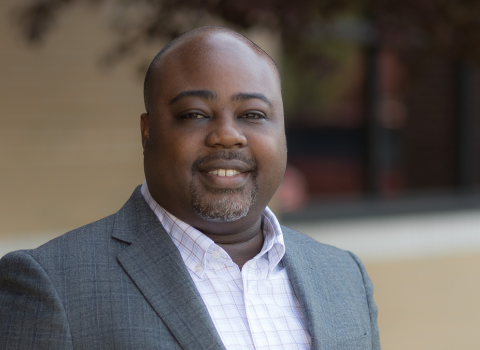
Northwestern stuck out because it blends informatics and data science. I knew that I would come out of the program with skills that I wouldn’t be able to acquire any other way.”
Timothy Owolabi, MD, MS in Health Analytics ('23)
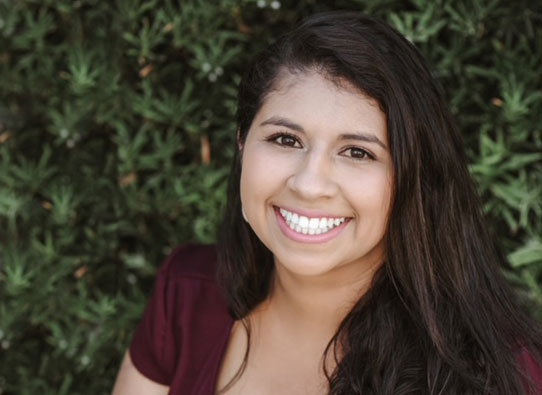
Physicians need data to learn how to use new technology to help patients. Medicine is difficult to change and being part of that change is exciting. ”
Niccole Diaz, MS in Health Analytics ('22)
A Modern Curriculum Built for Today’s Healthcare Challenges
The MHDS curriculum has been comprehensively redesigned based on external advisory board input, employer demand, and evolving industry roles. The program goes beyond traditional analytics to emphasize data readiness, AI-enabled and data driven workflows, and real-world application.
Students build practical skills in:
These skills are taught through hands-on exercises, case studies, and applied projects using real healthcare and research datasets.
The MHDS program is intentionally structured to support students from clinical, technical, research, and business backgrounds.
Whether you are:
MHDS provides clear skill progression, optional certificates, and applied learning opportunities.
Core Skills You Will Gain
By completing the MHDS program, students will be able to:
Lead cross-functional analytics and AI initiatives across healthcare, research, and public health organizations
AI Is Integrated Throughout the Curriculum
Students gain hands-on exposure to:
This approach reflects how AI is used in healthcare today—as a core capability embedded within data science and analytics workflows, not a standalone tool.
Real-World Learning Through Capstone Projects
The MHDS capstone experience allows students to apply their skills to real healthcare and research challenges, including:
Projects emphasize practical impact, ethical application, and executive communication, preparing graduates for real-world leadership roles.
Who Should Apply?
The MHDS program is ideal for:
No prior programming or AI experience is required—students build skills progressively through the curriculum.
 Healthcare is being transformed by data—but progress depends on people who know how to turn data into responsible action.
The Master of Science in Healthcare Data Science at Northwestern was designed for this moment. Today’s healthcare challenges demand more than technical skills alone. They require professionals who can work confidently with data, understand complex health systems, apply AI thoughtfully, and communicate insights that lead to real change.
This program brings together data science, artificial intelligence, healthcare domain knowledge, and leadership in a way that reflects how work is actually done across healthcare delivery, research, and innovation. Whether your background is clinical, analytical, or strategic, our goal is to help you build practical skills—and the judgment to use them responsibly.
Our graduates are not just learning tools. They are learning how to ask better questions, navigate complexity, and lead with impact in an AI-enabled healthcare future.
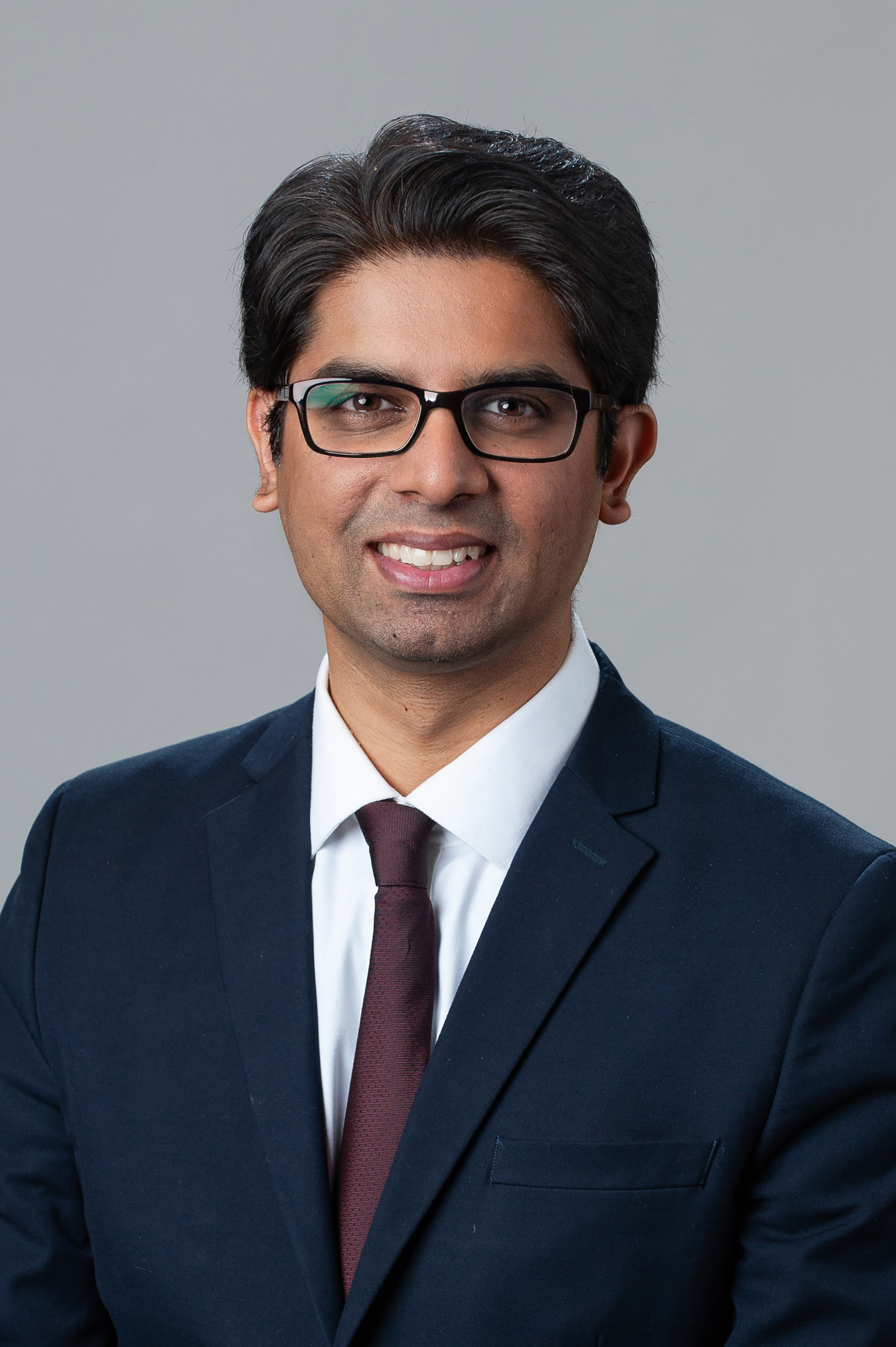
I invite you to explore the MHDS program and join a community committed to shaping the future of healthcare through data, integrity, and innovation.
Imran Khan, MBA, MS, PMP, ACP, CPHIMS, FHIMSS
Faculty Director, Masters in Healthcare Data Science
Explore detailed descriptions of Master of Science in Healthcare Data Science (MHDS) online courses.
A variety of factors are considered when your application is reviewed. Background and experience vary from student to student. For a complete list of requirements, see the Admission page for SPS graduate programs.
Tuition for the Master of Science in Healthcare Data Science program at Northwestern is comparable to similar US programs. Financial aid opportunities exist for students at Northwestern. Complete details can be found on the Healthcare Data Science Tuition and Financial Aid page.
Get ahead and register for your classes as soon as possible to ensure maximum efficiency in your trajectory.
The Master of Science in Healthcare Data Science will meet a market demand for workers who have both knowledge of the healthcare domain and the skills needed to retrieve, analyze, and interpret a wide range of health-related data. The program will serve both students who have a health industry background and are looking to move into analytics and students who have a computer science or tech background who want to work in the health sector.
For details visit the Master of Science in Healthcare Data Science Career Options page.
Instructors in the Master of Science in Healthcare Data Science program at Northwestern are leaders in the field. They bring practical real-world experiences to the online classroom and engage with students on an interpersonal level. Get to know the instructors on our Healthcare Data Science Program Faculty page.